Initiated by Dr. Xin Wei, University of Michigan
Ongoing development by the community

News & Blogs

Stay updated with the latest conferences, workshops, publications, and announcements from the landslide research community.

Remote Sensing Special Issue
Deadline: April 30, 2026 Opportunities

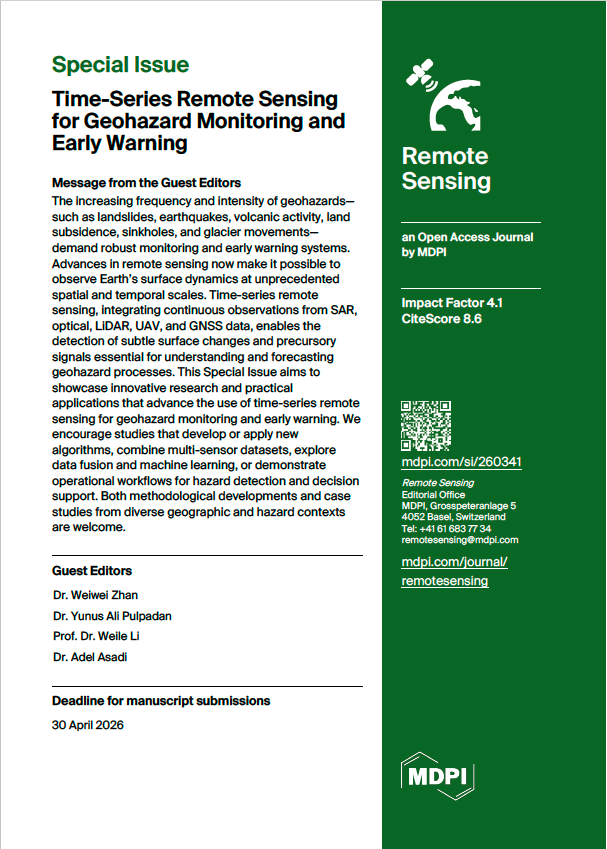
Call for Papers (Special Issue) — Time-Series Remote Sensing for Geohazard Monitoring and Early Warning

Remote Sensing (MDPI) Special Issue invites submissions on time-series remote sensing for geohazard monitoring and early warning (e.g., landslides, earthquakes, volcanic activity, land subsidence, sinkholes, glacier movements). Time-series remote sensing integrating SAR, optical, LiDAR, UAV, and GNSS supports detection of subtle surface changes and precursory signals.

Journal: Remote Sensing (MDPI)

Deadline for Manuscript Submissions: 30 April 2026

Keywords: Time-series remote sensing, geohazard monitoring, early warning systems, landslides, earthquakes, volcanic activity

January 13, 2026 TerraMosaic Daily Digest

TerraMosaic Daily Digest:
Jan 13, 2026

Today's digest analyzed 2,380 papers and identified 45 highly relevant papers for the landslide research community. This compilation highlights diverse research focusing on improving predictive capabilities through advanced modeling techniques, including hybrid machine learning models for weather forecasting and debris flow simulation, remote sensing applications for flood monitoring and soil moisture dynamics, and the impact of freeze-thaw cycles on slope stability in cold regions.

Papers Analyzed: 2,380

Relevant Papers: 45 selected

Key Topics: Hybrid ML models (LSTM, SARIMA, XGBoost), SAR flood monitoring, drone-borne GPR, freeze-thaw impacts on infrastructure, soil erosion dynamics, coseismic landslides from 2023 Jishishan earthquake, and rock glacier inventory

January 12, 2026 TerraMosaic Daily Digest

TerraMosaic Daily Digest:
Jan 12, 2026

Today's digest analyzed 2,675 papers and identified 76 highly relevant papers for the landslide research community. This collection highlights diverse approaches from advanced AI applications in hazard prediction and remote sensing to fundamental studies of soil mechanics and slope stability, with significant trends involving AI-driven hazard assessment, remote sensing advancements for change detection and volcanic monitoring, and climate change impacts on slope stability and flood properties.

Papers Analyzed: 2,675

Relevant Papers: 76 selected

Key Topics: AI-driven bushfire and landslide prediction, Google AlphaEarth embeddings for susceptibility mapping, universal geohazard precursor scaling, climate change impacts on slope stability, and multi-scale terrain analysis

January 11, 2026 TerraMosaic Daily Digest

TerraMosaic Daily Digest:
Jan 11, 2026

Today's digest analyzed 2,337 papers and identified 81 highly relevant papers for the landslide research community. This collection highlights diverse research from fundamental soil mechanics to advanced remote sensing and AI applications, with a significant focus on improving landslide prediction and monitoring through innovative machine learning techniques, climate change impacts on permafrost and glacial hazards, and the use of SAR and LiDAR for landslide detection.

Papers Analyzed: 2,337

Relevant Papers: 81 selected

Key Topics: AI/ML for hazard assessment, remote sensing integration (SAR, LiDAR), climate change impacts on permafrost and glacial lakes, urban flood susceptibility, and dense 3D displacement estimation for landslide monitoring

January 10, 2026 TerraMosaic Daily Digest

TerraMosaic Daily Digest:
Jan 10, 2026

Today's digest analyzed 2,048 papers and identified 77 highly relevant papers for the landslide research community. This compilation highlights efforts to improve prediction, assessment, and mitigation strategies across diverse settings, with a focus on leveraging advanced technologies like remote sensing, machine learning, and AI to enhance our understanding of landslide mechanisms and early warning systems.

Papers Analyzed: 2,048

Relevant Papers: 77 selected

Key Topics: Remote sensing & AI integration, climate change impacts, multi-hazard analysis, urban vulnerability, permafrost thaw, and stabilization techniques

January 9, 2026 TerraMosaic Daily Digest

TerraMosaic Daily Digest:
Jan 9, 2026

Today's digest analyzed 1,515 papers and identified 60 highly relevant papers for the landslide research community. This compilation highlights continued advancement in monitoring, modeling, and mitigating landslide risks, with a strong focus on leveraging remote sensing technologies, integrating machine learning with traditional methods, and addressing climate change impacts on slope stability.

Papers Analyzed: 1,515

Relevant Papers: 60 selected

Key Topics: SAR/InSAR monitoring, machine learning integration, permafrost thaw impacts, multi-hazard analysis, vulnerability assessment, and debris flow dynamics

January 8, 2026 TerraMosaic Daily Digest

TerraMosaic Daily Digest:
Jan 8, 2026

Today's digest analyzed 1,489 papers and identified 143 highly relevant papers for the landslide research community. This batch focuses on landslide research, encompassing automated mapping techniques, groundwater-driven landslides, pore-water pressure behaviors, creep landslide displacement prediction, rockfall detection, and the application of machine learning and remote sensing for landslide monitoring and risk assessment.

Papers Analyzed: 1,489

Relevant Papers: 143 selected

Key Topics: ML/AI applications, InSAR monitoring, debris flow dynamics, earthquake-triggered landslides, rainfall thresholds, and slope stability assessment

CLaSH Small Grant Program
Deadline: February 4, 2026 Opportunities

CLaSH Small Grant Program 2025-2026

The CLaSH Small Grant Program provides flexible, seed-level funding ($20,000-$40,000) to support creative, high-risk/high-reward projects that advance understanding of interacting land-surface hazards. The program welcomes proposals in AI-driven hazard analysis, site-specific investigations, and weather-related modeling to catalyze integrative studies of multi-hazard cascades.

Award Size: $20,000 - $40,000, including indirect costs

Anticipated Awards: 5 – 9 annually

Project Duration: Up to 12 months (May 1, 2026 - April 30, 2027)

Priority Areas: Site-specific investigations, weather modeling, ML/AI applications

Updated: January 2026 Conference & Workshop

Key Conferences & Workshops in Geohazards and AI/ML (2025-2026)

A comprehensive guide to upcoming international conferences and workshops relevant to landslide and geohazard research, covering both geotechnical/geosciences venues and top-tier machine learning/AI conferences. This curated list includes flagship events in natural hazards, geotechnical engineering, remote sensing, and artificial intelligence where researchers can present cutting-edge work and connect with the global community.

Geohazards & Geotechnical: 24 conferences including AGU, EGU, World Landslide Forum, ICSMGE, EMI, ICONHIC, and specialized symposia

ML/AI Venues: 18 top-tier conferences including NeurIPS, ICML, ICLR, CVPR, and domain-specific events

Coverage: Submission deadlines, event dates, audience/topics, and direct links to all conferences

Orchestra: AI-native research platform logo
November 20, 2025 AI Insights

Orchestra: AI-Native Research, From Idea to Publication

Our mission is simple: to eliminate this friction entirely. We're building an AI-native research companion—a system that collaborates with you, not replaces you. It automates the tedious, the repetitive, and the complex, so you can focus on what truly matters: asking the next great question.

Platform: AI-Native Research Companion

Features: Automated literature review, code generation, environment setup, and experiment monitoring

Success Story: Reproducing LoRA results in 1 day with no prior RL experience

November 19, 2025 Data Release

USGS releases National Landslide Damages and Losses

The National Landslide Damages and Losses (NLDL) database provides comprehensive U.S. landslide loss and damage information from 131 sources, compiled within a consistent framework. The database includes 5,687 records covering individual events and groups of landslides, with inflation-adjusted economic data, fatalities, and event characteristics.

AGU Fall Meeting 2025 NH33B
December 17, 2025 Conference

NH33B - Toward Reliable and Scalable Geohazard Intelligence: From Multiscale Sensing to Open Data Foundations II Oral

AGU Fall Meeting 2025 oral session advancing reliable ML/AI approaches for geohazard detection, monitoring, and prediction through multi-scale sensing integration and open-source datasets.

Time: Wednesday, December 17, 2025 | 14:15 - 15:45

Location: 297 (NOLA CC)

Conveners: Xin Wei (UMich), Chuxuan Li, Jingxiao Liu, Bingxu Luo

Student/Early Career Convener: Ann Sinclair

AGU Fall Meeting 2025
December 15, 2025 Conference

NH11D - Toward Reliable and Scalable Geohazard Intelligence

AGU Fall Meeting 2025 poster session focusing on advancing reliable ML/AI approaches for geohazard detection, monitoring, and prediction. Features 10 research papers on landslides, earthquakes, floods, and open-source datasets.

Time: Monday, December 15, 2025 | 08:30 - 12:00

Location: Hall EFG (Poster Hall), New Orleans Convention Center

Conveners: Xin Wei (UMich), Chuxuan Li (UCLA), Jingxiao Liu (MIT), Bingxu Luo (UArizona)

NASA ARSET
March 11, 13, 18, 2025 Conference

NASA Applied Remote Sensing (ARSET)

A three-part introductory training that covers a number of topics related to landslides, demonstrating a wide variety of NASA Earth science data uses to characterize landslides and their impacts.

Part 1: Remote Sensing for Landslide Science and Disaster Planning

Part 2: Mapping Landslide Occurrence Using Earth Observations

Part 3: Remote Sensing and Landslide Susceptibility

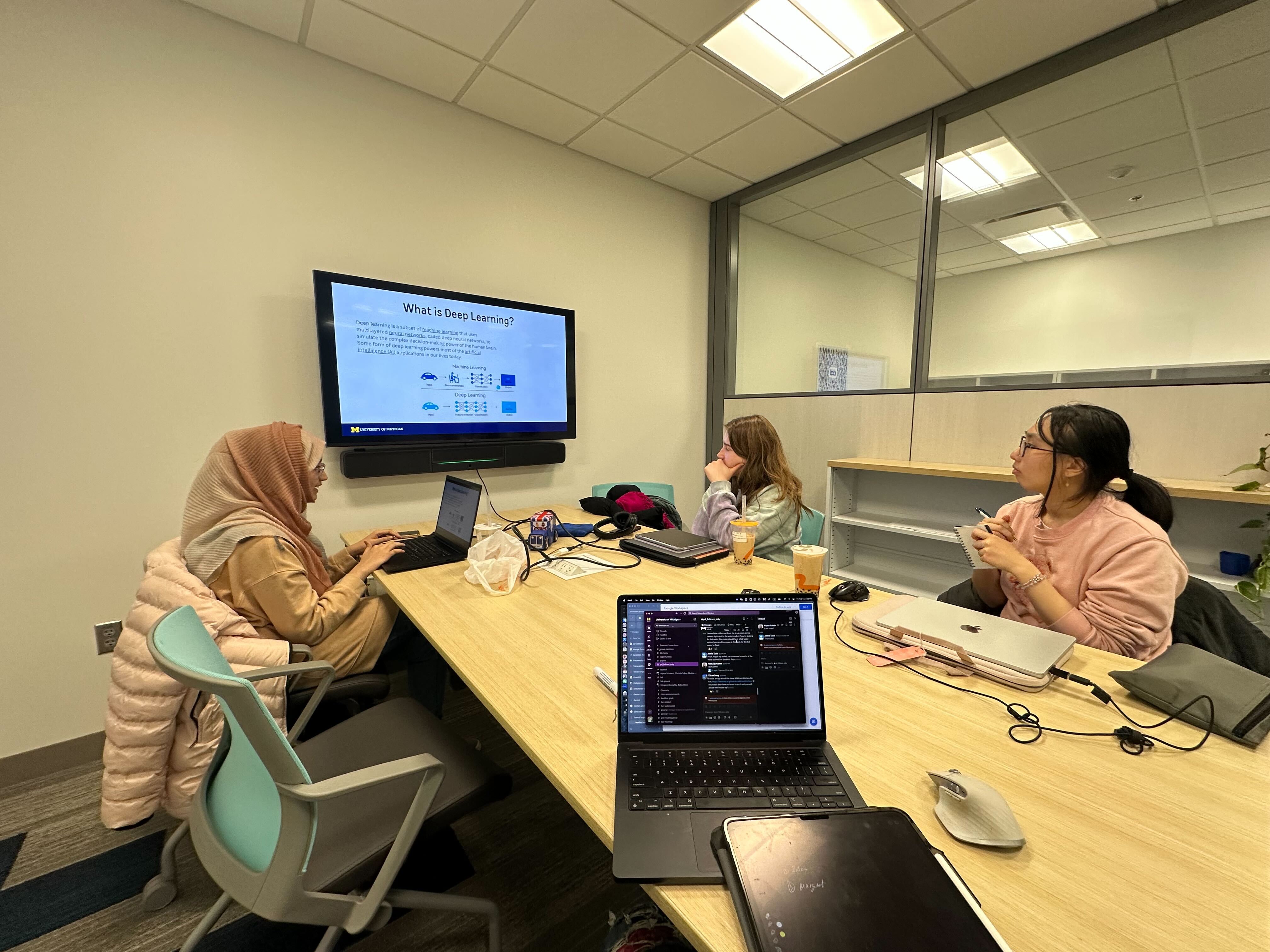
AI for Scientists and Engineers Summer Academy 2025
July 7 – 25, 2025 Conference & Workshop

AI for Scientists and Engineers Summer Academy 2025

A three-week intensive academy designed for academic researchers and university faculty across biological sciences, engineering, environmental and earth science, physical sciences, and social sciences. Learn mathematical foundations of machine learning, critically assess AI model data, and understand strategic considerations for incorporating AI into research workflows. Prior coding experience is NOT required.

February 14, 2025 AI Insights

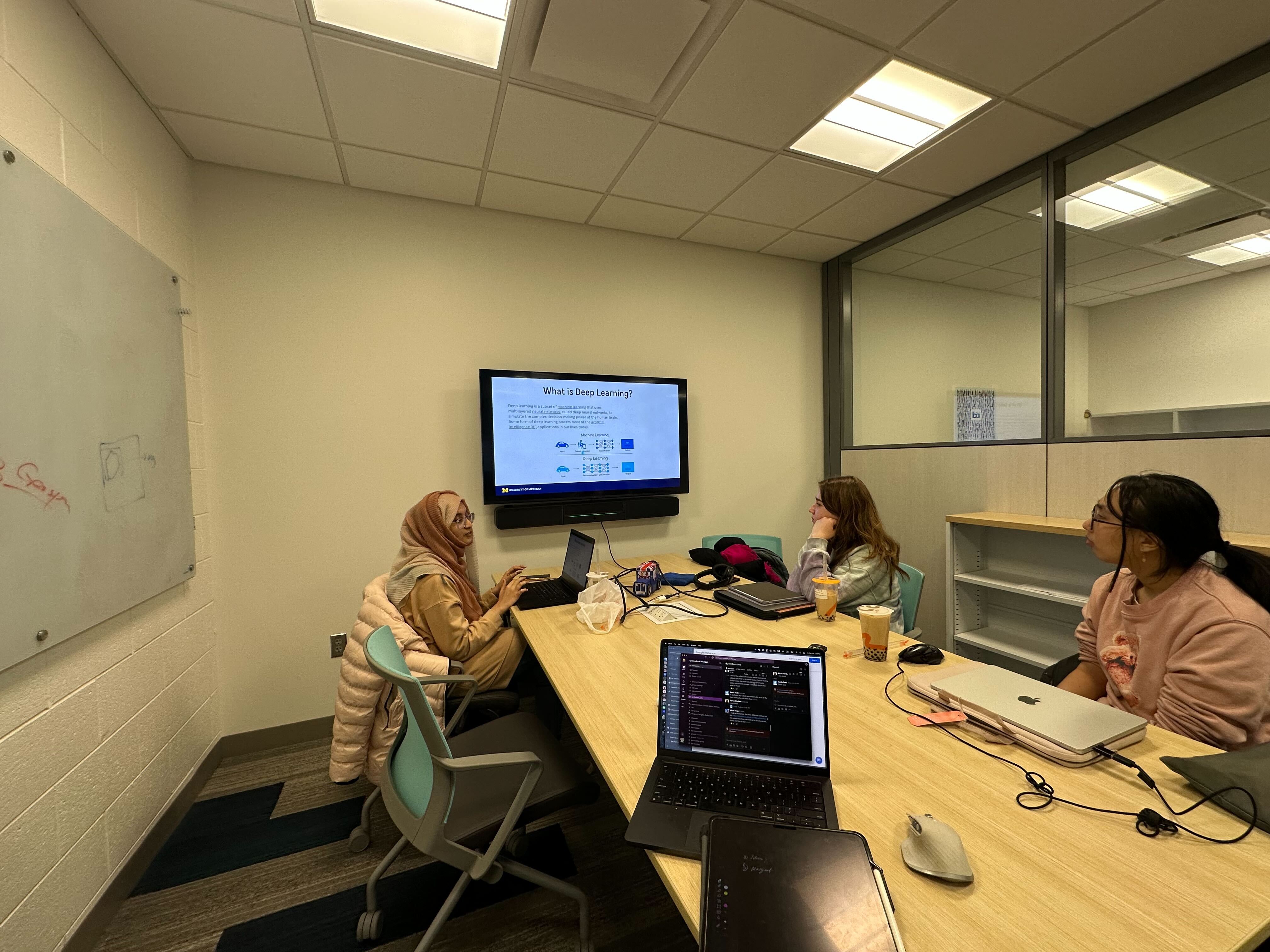
Jowaria Khan's Presents on Geospatial Foundation Models

An insightful presentation on the latest developments in geospatial foundation models and their applications to landslide research and risk assessment.

Share Your News

Contribute recent events, conferences, or updates related to landslide research, community projects, or academic collaborations.

Submit Your News